
Think First Belief ・ Judgment ・ Action
Strengthening human discernment.
Think First is an independent public initiative devoted to strengthening human discernment as information, technology, and persuasion accelerate.
The work
Through conversations, publishing, research, and practical methods, Think First helps you examine claims, evidence, assumptions, incentives, and uncertainty before judgment takes hold.
Think First does not tell people what to think.
It strengthens the habits by which they determine what deserves to be believed.
Because what we perceive shapes what we believe—and what we believe shapes what we do.
Public Inquiry
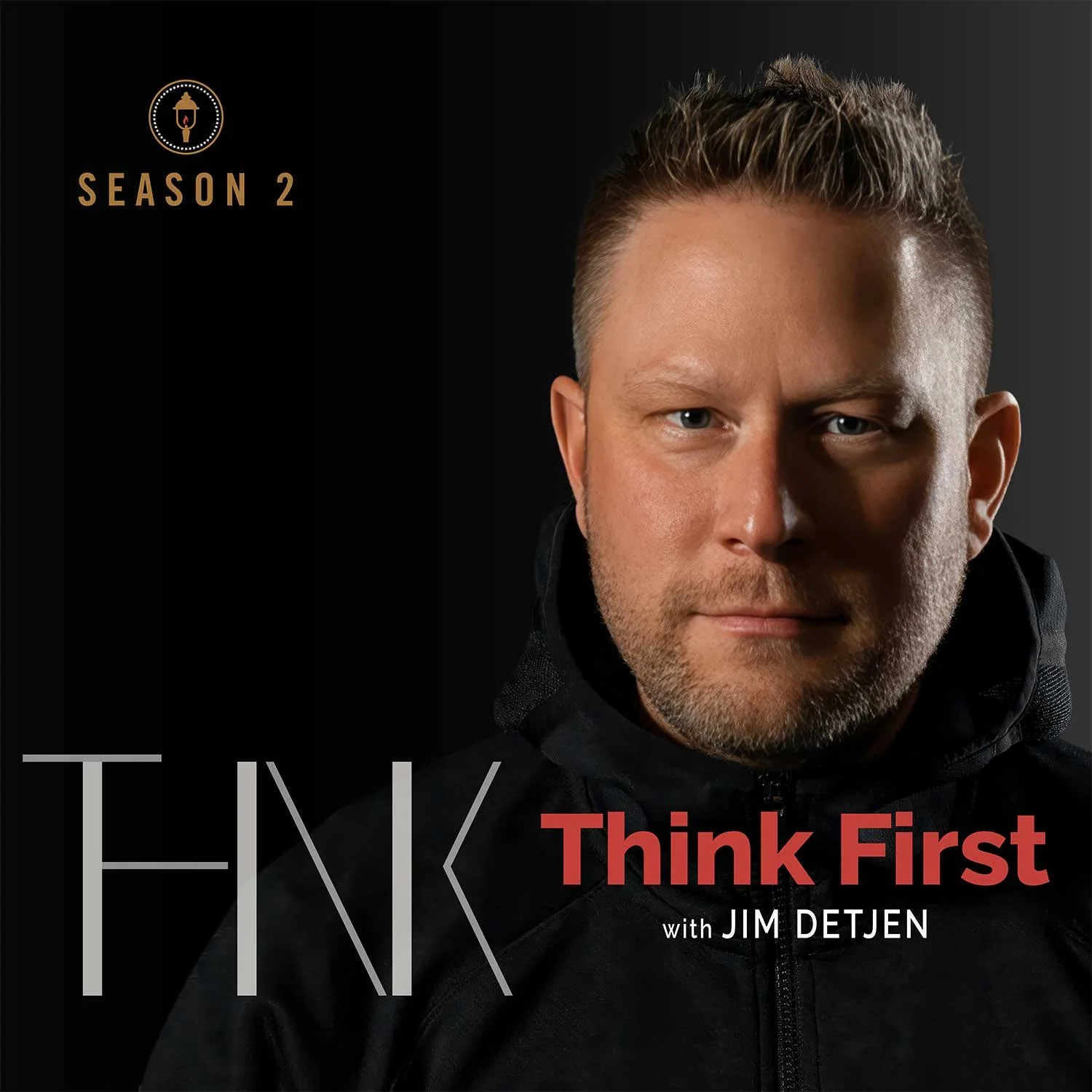
Think First with Jim Detjen
Some questions deserve more than immediate answers.
Hosted by Jim Detjen, Think First examines the ideas, assumptions, evidence, events, and stories that shape how we perceive and understand the world. It pays particular attention to gaslighting—the systematic erosion of trust in one’s perception through denial, reframing, and repetition—and to poetic truth, the story that feels emotionally or morally right even when it begins to outshine the facts.
Each episode begins with curiosity, separates fact from interpretation and emotional resonance, tests claims against evidence and competing explanations, and asks whether a story adds meaning or replaces evidence. Conclusions remain open to revision as stronger evidence and better understanding emerge.
The ideas beneath Season Two.
Selected Season One episodes that establish the concepts, patterns, and questions informing the work ahead.
Foundational Work
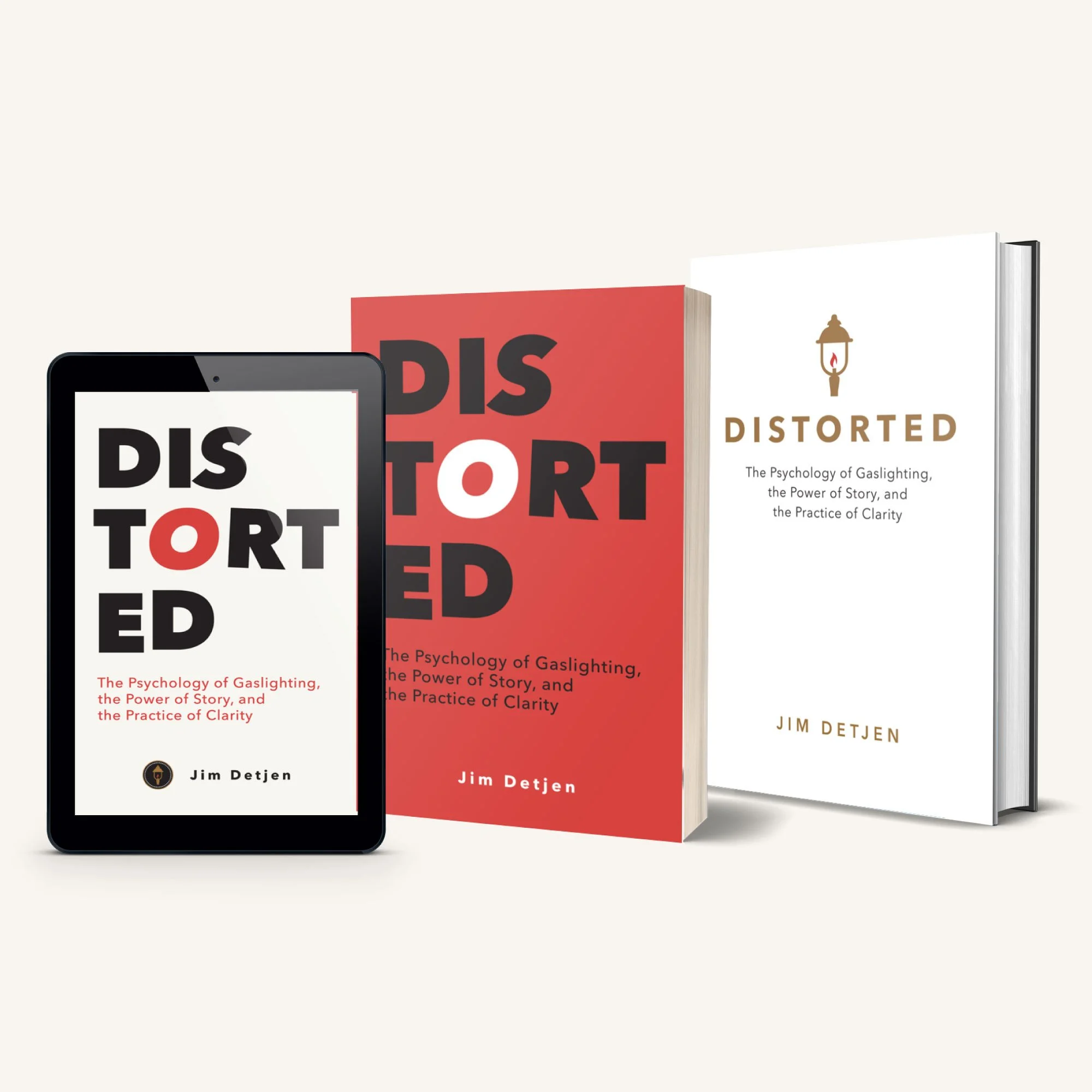
Distorted
The stories we inherit shape the realities we experience.
Distorted examines how language, institutions, media, memory, and culture shape perception—and why discernment has become an essential human capacity as information and technology accelerate.
Rather than offering easy answers, the book invites readers to examine assumptions, test claims, and become more careful observers of the world around them.
Practical Framework
A method for thinking more carefully.
The Clarity Framework is a six-stage method for slowing reactions, examining claims, testing assumptions, engaging disagreement, and exercising more disciplined judgment.
Use the Clarity Framework- 01 Develop Awareness
- 02 Investigate Claims
- 03 Analyze Narratives
- 04 Engage Disagreement
- 05 Verify Facts
- 06 Live with Discernment
Continue Exploring
Explore the conversations, publishing, research, and practical methods through which Think First brings discernment into public life.